

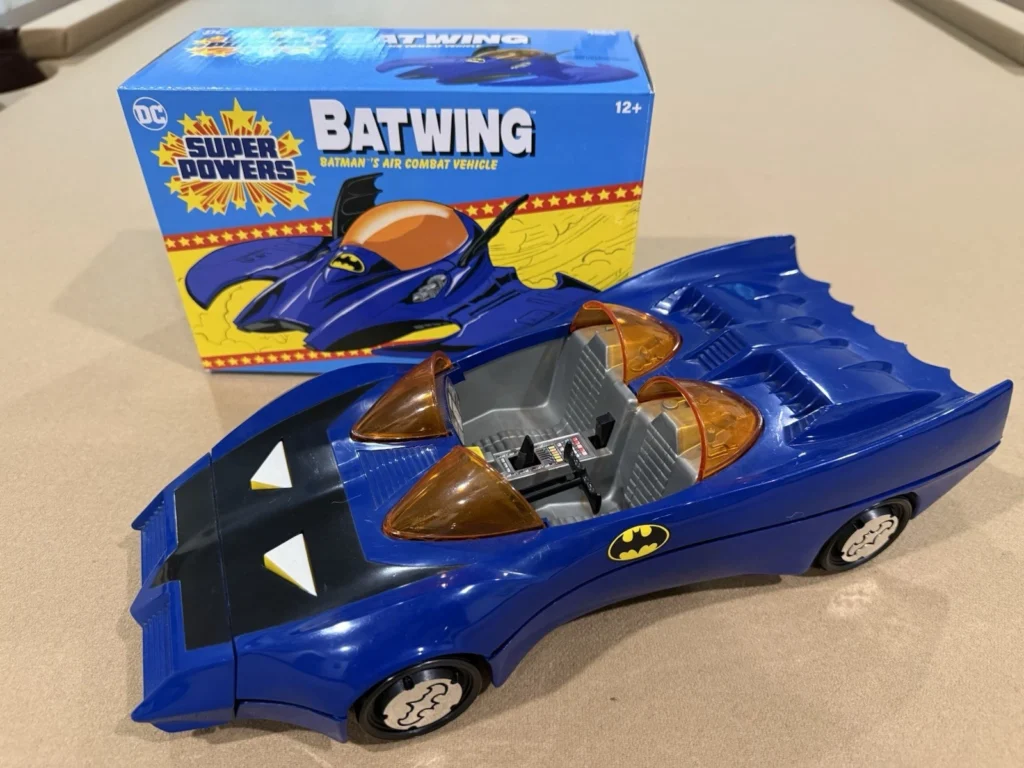
For a dedicated collector, a prized action figure collection represents more than plastic and paint; it’s a curated archive of value, nostalgia, and passion. When the time comes to sell, whether to fund a new pursuit or downsize, the process can feel fraught with risk. In a market as vast and varied as New York City, knowing where to turn is half the battle. The goal isn’t just to find any buyer—it’s to find a reliable one who recognizes both the monetary and sentimental worth of your items.
This task requires a shift from collector to strategist. A smart collector understands that reliability is defined by fair appraisals, transparent processes, and professional conduct, not just the highest initial offer. Navigating New York’s ecosystem of private buyers, online platforms, and specialized shops demands a clear-eyed approach to vetting and negotiation. This guide provides that framework, helping you identify partners who will ensure your collection is handled with the expertise it deserves.
Defining Reliability in the New York Market
Reliability, in the context of selling collectibles, is a multi-faceted quality. It extends beyond a simple promise to pay. A reliable action figure buyer operates with transparency, possesses verifiable expertise, and maintains a reputation for integrity. In a major hub like New York, where options abound, these traits separate the serious professionals from the opportunistic resellers.
First, consider transparency. A trustworthy buyer will clearly explain their valuation methodology. Do they reference recent completed sales on reputable auction sites? Are they familiar with grading nuances from agencies like AFA (Action Figure Authority)? They should be able to articulate why a mint-in-sealed-box 1977 Star Wars Jawa commands a different price than a loose one, beyond just “market rates.” Second, look for professional infrastructure. This includes a physical business address (not just a P.O. box), proper licensing where applicable, and formal purchase agreements. A buyer who operates solely from a social media account or insists on cash-only transactions in a parking lot introduces unnecessary risk.
Vetting Potential Buyers: A Step-by-Step Process
Before you present a single figure for appraisal, due diligence is your most powerful tool. This process systematically filters out unreliable parties and surfaces credible candidates.
Research and Reputation Analysis
Begin with a deep dive into online presence. Search for the business name alongside keywords like “reviews,” “complaints,” and “scam.” Pay attention to patterns rather than isolated negative comments. Do multiple reviewers mention lowball offers after an initial high estimate? Check established platforms like the Better Business Bureau, Google Business Profile, and specialized collector forums. A longstanding, positive reputation on TheRCF.com or similar communities is a strong indicator of credibility. A truly professional Action figure buyer New York will often have a trail of positive testimonials from local collectors.
Assessing Expertise Through Inquiry
Once you have a shortlist, test their knowledge directly. Before revealing your entire collection, present a single item—perhaps a moderately valuable figure—and ask for a preliminary assessment. Gauge their response. Do they ask pertinent questions about condition, paint wear, joint tightness, and accessory completeness? Or do they give a vague, immediate dollar figure? An expert will want details, may request specific photos under good lighting, and will reference comparable sales. This initial interaction is a low-stakes test of their professionalism and depth of knowledge.
Key Red Flags and Green Flags
Knowing what warning signs to avoid—and what positive signals to seek—can streamline your decision-making.
Red Flags:
- Pressure Tactics: Any buyer who pressures you for an immediate decision, claims an offer is “only good for today,” or becomes agitated if you want a second opinion should be avoided.
- Vague Valuations: Hesitance to explain how a price is derived or dismissal of grading standards suggests a lack of expertise or an intent to underpay.
- Lack of Physical Presence: While some legitimate buyers operate online, a complete absence of a verifiable business location in NYC can complicate recourse if issues arise.
- Unprofessional Communication: Consistent spelling errors, use of personal email addresses (e.g., Gmail) for business, and unwillingness to provide a formal invoice are minor details that signal a larger lack of professionalism.
Green Flags:
- Welcomes Appraisals: A confident, reliable buyer will encourage you to get independent appraisals or compare their offer with others.
- Clear Terms: They provide a written outline of the sale process, including any fees, the payment method (secure bank transfer, certified check), and the timeline for funds clearance.
- Specialized Focus: A buyer who deals specifically in action figures or a narrow niche (e.g., vintage I. Joe, Japanese imports) often has deeper market knowledge than a general antique dealer.
- Professional Demeanor: Communications are prompt, polite, and conducted through official channels. They treat your collection with respect, handling items carefully during inspection.
Negotiating and Finalizing the Transaction
After selecting a buyer, the negotiation and sale phase begins. Approach this with the same caution you applied during the vetting stage.
First, ensure you have a complete, documented inventory of the items you’re selling, including photographs from multiple angles that capture condition. This protects both parties and prevents disputes. When presented with an offer, don’t feel compelled to accept immediately. It is perfectly reasonable to ask, “Can you help me understand how you arrived at this total?” A reliable buyer will break it down piece by piece.
For high-value collections, consider proposing a phased sale or lot-based pricing. Sometimes, selling a key piece first can build trust for a larger transaction later. Always insist on a written bill of sale that itemizes the figures, their agreed-upon prices, and the total sum. Never release your collection before payment has fully cleared. A secure, traceable payment method is non-negotiable. By following these steps, you solidify a professional relationship with a dependable Action figure buyer New York who may become your go-to for future transactions.
Protecting Your Collection’s Legacy
Ultimately, finding a reliable buyer is about stewardship. You’ve invested time and care into building your collection; the sale should reflect that value. A reputable buyer ensures your figures enter the next phase of their lifecycle appropriately, whether that’s going to another passionate collector or into a curated retail inventory. This final consideration—the buyer’s intended destination for your pieces—can be revealing. Those who view collectibles merely as commodity to be flipped quickly may offer less care than those who appreciate their cultural and collectible significance.
Frequently Asked Questions
How do I determine the fair market value of my action figures before selling?
Start by researching “sold” listings on platforms like eBay and Heritage Auctions for identical or comparable items in similar condition. Note the final sale price, not the asking price. Price guides from publications like ToyFare (archival) or online databases can provide a baseline, but real-time auction results are the most accurate indicator of current fair market value.
What is the most secure payment method when selling a high-value collection?
A direct bank wire transfer or a certified/cashier’s check are the most secure. Ensure the check clears fully before releasing any items. Avoid personal checks for large sums and be extremely wary of any buyer who insists on paying only with cash, as it is untraceable and poses safety risks.
Should I sell my entire collection as one lot or piece by piece?
Selling piece by piece typically yields a higher total sum but requires significantly more time, effort, and listing fees. Selling as a single lot is faster and more convenient but usually results in a lower per-item price, as the buyer is assuming the work and risk of reselling. For collections with many common pieces and a few “grails,” consider selling the key items individually and the rest as a lot.
What documentation should a professional buyer provide?
You should receive a formal, written bill of sale. This document should list each item sold, its agreed price, the total sale amount, the date, and the signatures of both parties. It serves as a legal record of the transaction for both your protection and theirs.
Is it better to sell locally in New York or use an online auction house?
Local selling to a dedicated buyer offers speed, immediate payment, and the ability to vet the buyer in person. Online auction houses can potentially reach a global audience, which might drive prices higher for ultra-rare items, but they involve seller commissions (often 15-20%), longer wait times for payment, and shipping logistics. For most collections, a reputable local buyer offers an optimal balance of convenience and value.
What condition factors most drastically affect an action figure’s value?
“Complete and mint” is the gold standard. The presence of all original accessories (weapons, capes, packaging) is critical. The condition of the paint applications, especially on faces and logos, and the tightness of the joints (no cracks, stress marks, or looseness) are paramount. For boxed figures, the condition of the cardboard (no creases, sun-fading, or tears) and the clarity of the plastic “bubble” window are the primary value drivers.
Conclusion
Finding a reliable action figure buyer in New York is a deliberate process that rewards patience and research. It moves beyond simply securing funds to ensuring a transaction characterized by respect, expertise, and fairness. By defining what reliability means, rigorously vetting candidates, understanding negotiation best practices, and insisting on professional documentation, you transform a potentially stressful sale into a confident conclusion to one chapter of your collecting journey.
This strategic approach does more than protect your financial interest; it preserves the integrity of the collectibles market. Each transaction conducted with a trustworthy professional reinforces standards and builds community. Your effort to be a smart collector in the selling phase ensures that your figures, and the stories they hold, are valued correctly as they pass to their next custodian.