

Effective pest management is crucial for maintaining the integrity and safety of commercial facilities. The strategic placement of rat control products can significantly enhance these efforts, ensuring a proactive approach to rodent population management. Understanding where and how to position these products is essential for maximizing their effectiveness.
This article explores the importance of strategic placement, the types of rat control products available, and best practices for use in commercial environments. By focusing on these areas, you can create a comprehensive plan to manage rodent populations effectively.
Understanding the Need for Strategic Placement
Rodent infestations can have dire consequences for commercial facilities. They pose risks to health, safety, and finances. A single pair of rats can multiply quickly, leading to significant increases in their population. Consequently, it’s vital to implement effective control measures, starting with the strategic placement of rat control products.
Effective placement involves assessing the facility for potential entry points, nesting sites, and food sources. By identifying these areas, you can target your efforts more accurately, reducing the likelihood of infestations. Using rat control products with a focus on strategic placement helps manage rodent populations before they can establish a foothold.
Types of Rat Control Products
Fertility Control Solutions
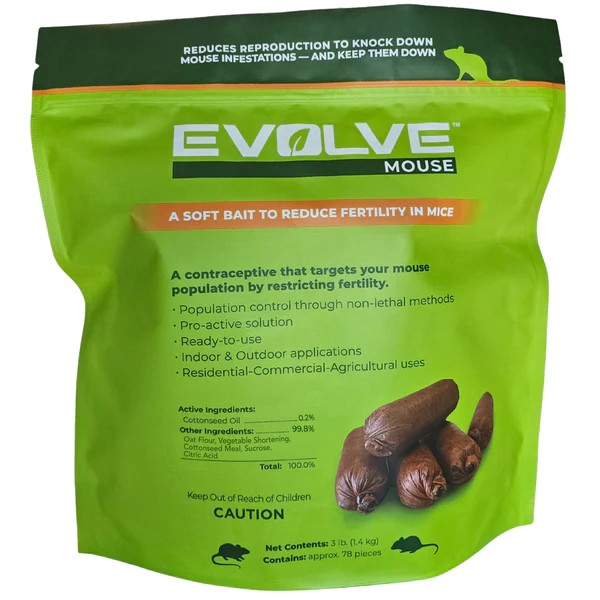
One innovative approach in rat management is the use of fertility control solutions. These products, designed to reduce reproduction among rat populations, offer a non-lethal method for population management. By using products that restrict fertility, commercial facilities can achieve a noticeable reduction in rat numbers over time.
These solutions are particularly effective when combined with traditional methods like traps. Using them in tandem can yield faster results, making it easier to maintain control over rodent populations.
Bait Stations
Bait stations provide another layer of protection against rodents. These tamper-resistant containers are designed to hold rat control products securely, preventing non-target species from accessing the bait. Proper placement of these stations is critical; they should be positioned near areas of high rodent activity, such as along walls, near food sources, and entry points.
By deploying bait stations strategically, you can create a targeted approach that maximizes the efficacy of the products inside. This proactive strategy not only helps in controlling existing populations but also in preventing future infestations.
Best Practices for Placement in Commercial Facilities
Conducting a Facility Assessment
Before placing any rat control products, conduct a thorough assessment of the facility. This involves identifying potential entry points, nesting areas, and food sources that may attract rodents. It’s essential to look for cracks, gaps, and other vulnerabilities where rats might gain entry.
During the assessment, also consider the types of activities taking place in different areas of the facility. For example, loading docks and storage areas may require different placement strategies than office spaces. Understanding these nuances will aid in the effective deployment of your rat control products.
Training Staff on Implementation
Once you have a placement strategy, training staff on the proper use and monitoring of rat control products is crucial. Staff should be aware of the signs of rodent activity and the importance of maintaining a clean environment to minimize attractants.
Training can also include how to respond to sightings and how to handle the bait stations and fertility control products. An informed team can better contribute to the overall success of your pest management strategy.
Monitoring and Adjusting Your Strategy
Proactive pest management requires ongoing monitoring and adjustment of your placement strategy. Regular inspections of bait stations and other control measures are necessary to evaluate their effectiveness. Look for signs of rodent activity, such as droppings or gnaw marks, and adjust your placements accordingly.
If certain areas show increased rodent activity, consider repositioning bait stations or adding more products in those locations. Additionally, tracking the effectiveness of fertility control solutions over time can help in fine-tuning your approach.
Environmental Considerations
When implementing a rat control strategy in commercial facilities, consider the surrounding environment and the potential impact on non-target species. Opting for products that are designed to minimize risks to wildlife and pets is essential. This approach not only ensures compliance with regulations but also promotes a responsible pest management strategy.
Using rat control products formulated with food-grade quality ingredients can provide an added layer of assurance regarding safety when used as directed.
Frequently Asked Questions
What are the benefits of using fertility control for rats?
Fertility control products offer a non-lethal approach to managing rat populations. By reducing reproduction, these products help prevent infestations from escalating. They work best when used in conjunction with traditional control methods.
How often should I monitor bait stations?
Regular monitoring of bait stations is critical to assess their effectiveness. Inspect them at least once a month or more frequently in areas with high rodent activity. Adjustments may be necessary based on your observations.
Can I use rat control products indoors and outdoors?
Yes, many rat control products are designed for both indoor and outdoor use. However, ensure that you follow the manufacturer’s guidelines for placement and safety, especially in areas frequented by pets and wildlife.
What should I do if I notice an increase in rodent activity?
If you observe an uptick in rodent activity, reassess your placement strategy. Consider adding more bait stations or relocating existing ones to areas with higher activity. It’s also essential to check for any new entry points that may have emerged.
Are rat control products safe for pets?
Many rat control products are formulated to minimize risks to pets when used as directed. Always read the label and follow instructions carefully to ensure safe application.
How can I create a long-term rodent management plan?
A long-term rodent management plan should include regular assessments, monitoring, and adjustments to your strategy. Incorporate a combination of fertility control solutions, bait stations, and staff training to maintain effective control over rodent populations.
Conclusion
The strategic placement of rat control products in commercial facilities is a vital component of effective pest management. By understanding the types of products available and employing best practices for placement, businesses can proactively manage rodent populations. This approach not only minimizes the risk of infestations but also contributes to maintaining a safe and healthy environment.
As pest management techniques continue to evolve, investing in innovative solutions like fertility control will provide commercial facilities with smarter options for long-term rodent management. With the right strategies in place, businesses can focus on their operations without the constant threat of rodent infestations.