

When you invest in a solar power system for home backup, your primary goal is reliability. The peace of mind it provides hinges on one critical factor: energy production. Simply having panels and a battery bank isn’t enough. To ensure your system performs when you need it most, you must actively work to maximize its solar harvest. This involves a combination of smart setup, ongoing management, and understanding the interplay between all components.
Efficient solar output means faster battery charging, greater energy reserves during extended outages, and better overall return on your investment. Whether you’re preparing for storm season or seeking energy independence, these strategies move you beyond basic installation into the realm of optimized performance. The following tips provide a actionable framework to squeeze every possible watt from your sunlight.
Optimizing Solar Panel Placement and Angle
The foundation of maximum solar output begins with your panels. Their location and orientation directly dictate how much sunlight they can convert into electricity.
Prioritize Unobstructed Sun Exposure
Panels must have a clear view of the sky from sunrise to sunset. Even small, consistent shadows from a chimney, vent pipe, or tree branch can disproportionately reduce the output of an entire panel string. Conduct a seasonal survey—shadows are longer in winter. The ideal location is a south-facing roof (in the Northern Hemisphere) or ground mount with zero overhead obstructions.
Adjust the Tilt Angle Seasonally
The sun’s path changes with the seasons. A fixed tilt set for your latitude is good, but adjusting it seasonally can yield gains of 5% or more in annual production. A simple rule: set the angle to your latitude in spring/autumn, latitude minus 15° in summer, and latitude plus 15° in winter. For ground-mounted systems, consider an adjustable rack. For roof mounts, the roof pitch is often the fixed angle, making site selection even more crucial.
Selecting and Maintaining the Right Components
Your system is only as strong as its weakest link. Component quality and condition are non-negotiable for sustained high output.
Use High-Efficiency Panels and Proper Wiring
Not all solar panels are equal. Monocrystalline panels typically offer higher efficiency ratings (often above 20%) than polycrystalline models, meaning they generate more power in the same physical space. Pair them with appropriately gauged wiring to minimize voltage drop between the panels and your solar generators for home backup. Undersized cables can lead to significant power loss, especially over longer runs.
Implement a Regular Cleaning Schedule
Dirt, pollen, bird droppings, and dust act as a film, blocking sunlight. Studies suggest dirty panels can lose 5-20% of their output. Cleaning frequency depends on your environment—dusty or arid areas may need monthly attention, while rainy climates benefit from natural rinses. Use water, a soft brush, and a mild, non-abrasive cleaner. Avoid cleaning during peak sun to prevent thermal shock.
Mastering Energy Management and System Monitoring
Passive ownership leads to wasted potential. Active management turns your system into a precision tool.
Understand Your Charge Controller Settings
The charge controller is the brain of your solar charging system. Ensure it is configured correctly for your battery type (e.g., Lithium, AGM). Use the maximum power point tracking (MPPT) feature if available, as it can extract 10-30% more power than older PWM types. Periodically check its display for real-time amp input to verify your panels are performing to specification.
Balance Load with Production
Maximizing output isn’t just about generation; it’s also about intelligent consumption. During sunny hours, prioritize charging your generator over running high-wattage appliances. Shift discretionary loads like washing machines or tool battery charging to daylight hours. This practice, called load shifting, keeps your battery from draining unnecessarily, ensuring it’s full when the sun goes down.
Leveraging Technology for Peak Performance
Modern systems offer tools that go beyond basic functionality, providing data and automation for superior results.
Integrate a Monitoring System
Many modern power stations and inverters offer Bluetooth or Wi-Fi connectivity with companion apps. These platforms show real-time solar input, battery state of charge, and power consumption. By monitoring this data, you can identify patterns, spot sudden drops in production (indicating a potential issue), and verify the impact of your optimization efforts. Knowledge is power, literally.
Consider a Scalable Solar Array
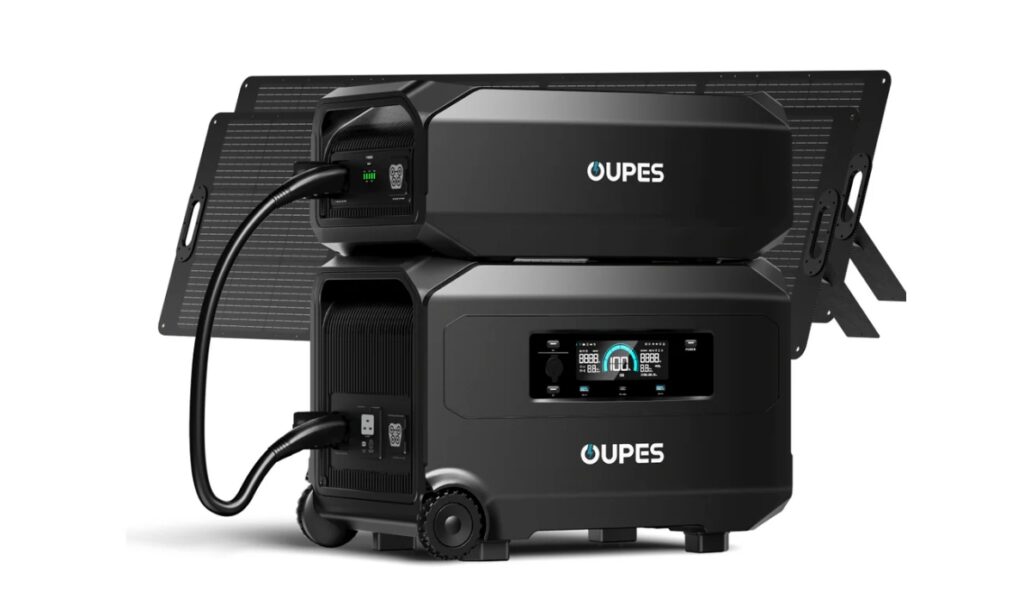
Your energy needs may grow. Opting for a system that allows you to add more solar panels in parallel can future-proof your setup. A unit like the OUPES Guardian 6000 V2 is designed with this scalability in mind, supporting high solar input to recharge its substantial capacity quickly. Starting with a capable generator means you can expand your solar array later without replacing your core power unit.
Preparing for Environmental and Seasonal Changes
The environment is a variable you can’t control, but you can plan for it.
Manage Expectations in Winter
Shorter days and a lower sun angle naturally reduce daily solar yield. Snow cover can completely halt production. Beyond adjusting panel tilt, factor this into your energy budget. Enter winter with a fully charged system and be more conservative with power use. Having the ability to safely clear snow from panels is also valuable.
Mitigate Heat-Related Efficiency Loss
Solar panels become less efficient as they get hotter—a fact listed on their datasheet as the temperature coefficient. While you can’t change the weather, you can ensure panels have a few inches of airflow underneath them (on roof mounts) to dissipate heat. Light-colored roofing underneath can also help reduce ambient temperature around the array.
Frequently Asked Questions
How often should I clean my solar panels?
A quarterly cleaning is a good baseline for most regions. However, inspect panels monthly. If you see visible grime or notice a 5-10% drop in expected charge rates, clean them. Areas with little rain or high dust/pollen may require cleaning every 4-6 weeks.
Can I mix old and new solar panels?
It is generally not recommended. Mixing panels with different wattages, voltages, or efficiencies can force the entire string to perform at the level of the weakest panel. For consistent, maximized output, use identical panels or consult a professional to configure separate charge controller inputs.
What is the single biggest factor hurting solar output?
Shading is the most common and impactful culprit. A shadow covering just 10% of a panel’s surface can reduce its power output by over 50%. Permanent, unobstructed exposure is the most critical element of your panel site selection.
Do solar panels need direct sunlight to work?
They work most efficiently under direct, bright sunlight but still produce power on cloudy or overcast days. Output can be 10-25% of their rated capacity under heavy cloud cover. This “diffuse light” production is why systems still charge in non-ideal weather, albeit more slowly.
How do I know if my panels are working correctly?
Regularly check your charge controller or system monitor. On a clear, sunny day around solar noon, the incoming charge current (in amps) should be close to the expected output for your panel array’s wattage and configuration. A sustained, significant deviation indicates a potential problem.
Is it worth adjusting panel angles manually?
For ground-mounted systems, yes. Adjusting the tilt angle 2-4 times a year to match the seasonal sun path can increase annual energy yield significantly. For permanent roof mounts, the cost and risk of installation often outweigh the benefit of seasonal adjustments, making the initial angle choice paramount.
Conclusion
Maximizing the solar output of your home backup generator transforms it from a simple battery into a resilient and efficient power source. The process is continuous, blending initial smart design—optimal panel placement, quality components—with proactive habits like regular maintenance, intelligent energy use, and diligent monitoring. Each adjustment, from cleaning a panel to shifting an appliance’s run time, contributes to a more robust energy reserve.
Ultimately, the goal is to create a system that not only meets your backup power expectations but exceeds them. By treating your solar generator as a dynamic system that interacts with its environment and your habits, you ensure it delivers reliable, maximum performance precisely when the grid cannot. This proactive approach turns sunlight into your most dependable utility.