
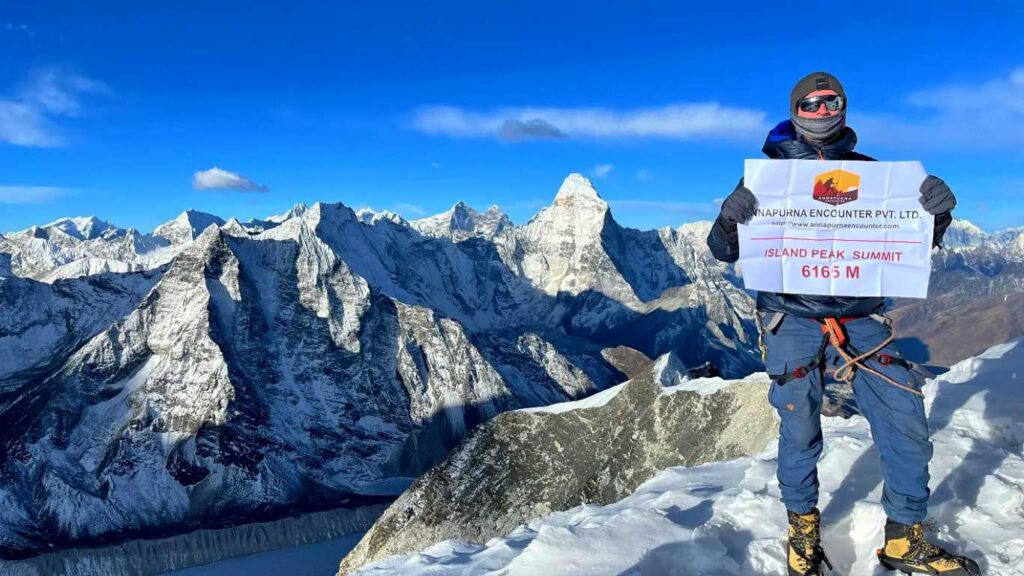
For many adventurers, the summit of Island Peak stands as a monumental achievement. At 6,189 meters, this classic Himalayan climb offers a genuine taste of high-altitude mountaineering, complete with technical ice walls and the profound satisfaction of a hard-earned summit. But what comes next? The allure of the world’s highest peak remains, yet the commitment to a full Everest expedition is a different realm of logistics, cost, and risk. There is a compelling bridge between these two experiences that offers unparalleled Everest thrills without the months of preparation: transitioning from the hands-on climb of Island Peak to the panoramic luxury of an Everest helicopter tour.
This progression represents a shift in perspective—from conquering a single peak to absorbing the entire Everest region in a single, spectacular day. It’s about complementing the physical grit of climbing with the awe-inspiring accessibility of flight. This journey allows you to witness the grandeur of the Himalayas from a vantage point few ever see, landing you in the heart of the Khumbu for close-up views that were once the sole domain of elite mountaineers. This article explores how these two distinct adventures can form the ultimate Himalayan narrative, blending raw achievement with refined luxury.
From Summit Boots to Luxury Seats: Understanding the Shift
Transitioning from Island Peak to an Everest helicopter tour is not about choosing one experience over the other; it’s about sequencing them to create a richer, more complete understanding of the Himalayas. The first is a test of personal limits, a multi-day trek and climb that demands physical endurance, basic technical skill, and mental fortitude. You earn every meter of altitude. The second is an immersive observational experience. It delivers the visual and emotional impact of the highest mountains on Earth in a condensed, comfortable format.
This shift is strategic. After the exertion of a climb, a helicopter tour offers a chance for active recovery while continuing the adventure. It allows you to see the terrain you traversed on foot from a breathtaking new angle, connecting the dots of the Khumbu Valley in a way that ground travel cannot. The transition also caters to different travel styles and time constraints, making the iconic Everest experience accessible to those who may not have the weeks required for a full base camp trek or an Everest summit bid.
The Island Peak Foundation
The value of beginning with Island Peak Climbing cannot be overstated. This climb serves as the perfect primer. It acclimatizes you to significant altitude, familiarizes you with using climbing harnesses, crampons, and ice axes, and builds your resilience in a high-mountain environment. Successfully summiting Island Peak provides more than just a certificate; it gives you a mountaineer’s context. When you later hover beside the icefall of Everest or land at Kala Patthar, you possess a deeper appreciation for the scale and challenge before you. You’re not just a spectator; you’re an initiate viewing the master level.
Anatomy of an Everest Helicopter Luxury Tour
So, what exactly does this elevated experience entail? A typical luxury helicopter tour is a meticulously planned single-day journey from Kathmandu that maximizes impact and comfort. The itinerary is designed for awe, not exertion.
The flight path is the star. You’ll soar east from Kathmandu, crossing the lush foothills before the snow-capped giants of the Rolwaling and Khumbu ranges erupt on the horizon. The helicopter typically flies deep into the valley, offering jaw-dropping close-ups of Ama Dablam, Lhotse, and Nuptse before the ultimate reveal: the sheer, wind-sculpted face of Mount Everest itself. The pilot will often orbit key landmarks, allowing for uninterrupted photography from both sides of the aircraft.
A defining feature of the luxury tour is the included landing at the highest point permitted, often at the Everest View Hotel in Syangboche or, weather permitting, at Kala Patthar (5,644m) or even Everest Base Camp itself. Here, you can step out onto the rocky ground, feel the thin, crisp air, and take in the 360-degree panorama—an experience typically reserved for trekkers after days of walking. The tour usually concludes with a champagne breakfast at a luxury lodge before the return flight to Kathmandu, completing a journey from the capital to the roof of the world and back in under five hours.
Why This Transition Makes Perfect Sense
Combining these adventures is more than a clever travel hack; it’s a logical and deeply satisfying progression. First, it efficiently solves the problem of time. A climber can complete an Island Peak expedition in about three weeks, including trekking in and out. Adding a helicopter tour requires just one extra day, effectively bookending the physical journey with a spectacular overview without adding another multi-week commitment.
Second, it provides a profound narrative arc. The story begins with personal struggle, teamwork, and triumph on a challenging peak. It culminates in a moment of serene, majestic reflection upon the entire Himalayan theatre. You move from being in the mountains to being above them, gaining a god’s-eye view of the realm you just conquered. This dual perspective is uniquely rewarding.
Finally, it balances intensity with indulgence. The climb is about minimalist living, heavy packs, and frozen boots. The helicopter tour is about heated cabins, panoramic windows, and celebratory meals. This contrast heightens the enjoyment of both, allowing you to fully appreciate the comforts after the rigors and to respect the rigors from the comfort of your seat.
Planning Your Combined Adventure
To execute this transition smoothly, careful planning is essential. The most critical factor is acclimatization. Always complete the Island Peak climb first. The helicopter tour, while involving a rapid ascent to high altitude, lasts only minutes at the highest points. Your body will be fully acclimatized from the climb, making the short-duration exposure during the helicopter landing perfectly safe and more enjoyable. Attempting the reverse order would be physiologically risky.
Logistically, schedule the helicopter tour for the day after you return to Kathmandu from your climb. This allows for a debrief, gear sorting, and a good night’s rest in a comfortable hotel. Book your helicopter tour with a reputable operator that prioritizes safety, maintains its aircraft impeccably, and employs experienced mountain pilots. The luxury tier ensures smaller groups (often private charters), premium lodge partnerships, and a focus on the overall experience rather than just transportation.
Beyond the View: The Lasting Impact
The memories forged from this two-part journey are distinct yet intertwined. The climb gifts you the visceral memory of calf burn, the sound of crampons biting ice, and the shared, breathless joy on a summit. The helicopter tour imprints a sweeping visual masterpiece: the endless ranks of peaks, the surreal closeness of Everest’s summit pyramid, and the shocking scale of the glaciers below.
Together, they create a more holistic portfolio of what the Himalayas represent—both a challenge to be met and a wonder to be witnessed. This combination also democratizes the Everest experience. It makes the ultimate Everest thrills accessible not only to ultra-athletes but to any dedicated adventurer who has proven their mettle on a peak like Island Peak and seeks the crowning visual reward.
Frequently Asked Questions
Is it safe to go on a helicopter tour right after a high-altitude climb?
Yes, it is generally considered safe if you are fully acclimatized and have descended to Kathmandu. The key is that your body has already adapted to high altitude during your Island Peak climb. The helicopter tour involves only a brief exposure at extreme altitudes (typically 15-30 minutes at a landing site), which is well within safe limits for an acclimatized individual. Always consult with your doctor and tour operator.
What should I wear for an Everest helicopter luxury tour?
Dress in warm, comfortable layers as you would for a cold-weather flight. A down jacket, hat, gloves, and sunglasses are essential, as you will step out into a potentially windy, sub-freezing environment at the high-altitude landing site. Sturdy, warm footwear is also recommended. The helicopter cabin is heated, so you can adjust layers easily.
Can I book both the climb and tour as a single package?
Many reputable adventure travel companies offer combined packages or can seamlessly arrange both experiences. Booking them together can streamline logistics, transfers, and scheduling. Ensure you clarify the itinerary, confirming the climb is completed first with adequate rest before the Everest helicopter luxury tour.
How does the weather affect the helicopter tour?
Weather in the Himalayas is variable and dictates all flight operations. Tours are typically scheduled for early morning when conditions are most stable. Flights may be delayed, rerouted, or rescheduled due to cloud cover, wind, or precipitation. A reputable operator will prioritize safety and will have flexible rescheduling policies.
What is the main difference between this and an Everest Base Camp trek?
The Everest Base Camp trek is a 12-14 day walking journey to the foot of the mountain, emphasizing cultural immersion and gradual acclimatization. The helicopter tour provides a direct, aerial perspective of the entire region, including close-up views of Everest and a high-altitude landing, all in a few hours. It’s about breadth and spectacle versus depth and gradual journey.
Are these helicopter tours environmentally responsible?
The environmental impact of helicopter tourism is a valid concern. Responsible operators use modern, fuel-efficient aircraft, adhere strictly to flight paths to minimize disturbance, and often contribute to local conservation or community projects. As a traveler, choosing an operator with a clear environmental policy and offsetting your own carbon footprint are positive steps.
Conclusion
The journey from the summit of Island Peak to the luxury cabin of an Everest-bound helicopter represents the full spectrum of Himalayan adventure. It bridges the gap between hard-won personal achievement and awe-inspiring accessible wonder. This transition allows you to experience Everest thrills in their most potent forms: the profound satisfaction of climbing one of its famed neighbors and the breathtaking spectacle of witnessing the supreme peak itself from an unparalleled vantage point.
This two-act adventure offers a compelling blueprint for the modern explorer—one that values both the physical challenge and the panoramic reward. It proves that the call of Everest can be answered in more than one way, and that by combining the grit of the climb with the grace of flight, you can craft an unforgettable narrative that captures the true spirit of the world’s highest mountains.