

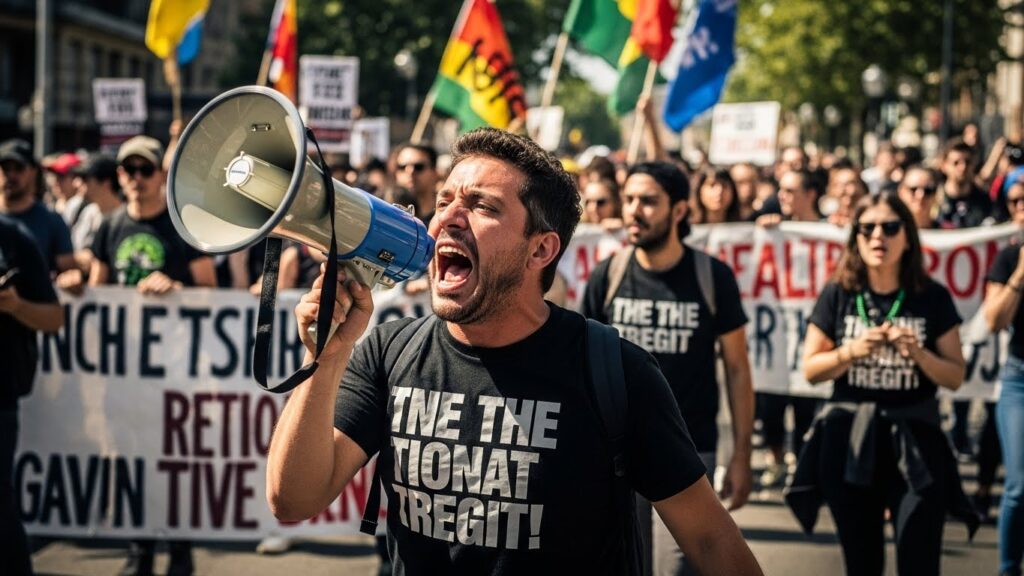
Introduction: Is Vermont Racist?
When we think about Vermont, images of peaceful landscapes, small towns, and a generally progressive atmosphere often come to mind. The state has a reputation for being one of the more liberal in the United States, frequently leading the way on social issues like marriage equality, environmental protections, and healthcare reform. But when it comes to the issue of race, can Vermont really be considered free of racism?
In this article, we will explore the complex relationship between Vermont and racism, examining its historical roots, the state’s demographics, and the ways in which modern-day Vermont is grappling with racial issues. We’ll also dive into the state’s efforts to address racial inequality and how Vermonters themselves view race.
Understanding Racism in Vermont
Racism, like any other part of human society, exists in various forms—from overt discrimination to more subtle, systemic biases. In the case of Vermont, the question of whether it’s “racist” can be a complicated one. On the surface, Vermont might seem like an inclusive and welcoming place. However, understanding whether the state is “racist” requires an examination of not only its past but also its present racial dynamics.
Let’s take a look at Vermont’s racial history and the current state of diversity to get a clearer picture of how race is perceived and addressed in the state.
The History of Vermont and Racism
Vermont’s history with race is shaped by its relatively homogeneous population. In the early years, slavery wasn’t as prominent in Vermont as it was in other parts of the United States, but it wasn’t entirely absent. While Vermont was the first state to abolish slavery in its constitution (in 1777), it was also a state that continued to enforce policies of segregation and discrimination well into the 20th century.
In the 19th and early 20th centuries, Vermont saw very few Black residents, and those who did live there often faced significant racial prejudice. By the time the Civil Rights Movement took hold, Vermont’s lack of a significant minority population meant that the state was often left out of many of the national conversations about racial inequality.
Despite Vermont’s abolitionist stance, racial attitudes didn’t change overnight, and the state was still dealing with lingering racial stereotypes and biases for much of its history.
Demographic Overview of Vermon
As of the most recent census data, Vermont remains one of the least racially diverse states in the U.S. The White population in Vermont is over 90%, with Black, Latino, and Asian communities making up small percentages of the overall population. This lack of racial diversity is often cited as a contributing factor to the state’s complex relationship with race.
The state’s demographics reflect the historical trend of limited racial diversity, but they are also slowly changing. Over the last few decades, Vermont has seen a gradual increase in its minority population, especially as people of color have moved to the state for work, education, or asylum.
Racial Diversity in Vermont Today
In recent years, Vermont has started to diversify. While ethnic minorities still make up a small portion of the population, their presence is growing. Cities like Burlington, the state’s largest city, have become more ethnically diverse, and communities of color are beginning to establish roots and visibility.
This growing diversity has brought about discussions about how race is perceived in the state and how its institutions, like education and law enforcement, are addressing racial concerns. However, racial disparities still exist, and many minority communities in Vermont report challenges related to housing, employment, and social acceptance.
Instances of Racial Tension in Vermont
Though Vermont prides itself on being liberal, the state hasn’t been immune to incidents of racial tension. Over the years, there have been reports of racial profiling by law enforcement, complaints about discrimination in housing and employment, and instances of racist behavior in public spaces.
For example, Black Vermonters have reported being treated unfairly in areas like the job market and public education, and some have shared stories about being subjected to microaggressions or overt racism. Moreover, hate crimes and racist incidents have occurred, making it clear that racial prejudice persists.
Vermont’s Role in the Civil Rights Movement
While Vermont was not a major player in the Civil Rights Movement in the 1960s, it did contribute to the larger national conversation about race. The state has long been known for its progressive politics, and its early stance on issues like slavery and women’s rights laid the foundation for a broader commitment to social justice.
In the 1960s and 1970s, civil rights activism started to emerge in Vermont, albeit on a smaller scale than in other parts of the country. Since then, Vermont has continued to push for racial equality and social change, though the lack of a large minority population has sometimes made it difficult for the state to be a national leader in the movement for racial justice.
Vermont’s Reputation as a Progressive State
Vermont is known for its progressive politics, including its history of supporting LGBTQ+ rights, environmental protection, and universal healthcare. However, while the state has made strides in some areas of social justice, racial equality is still an ongoing challenge.
Vermont’s progressive reputation sometimes overshadows the reality that racial disparities still exist. In recent years, advocates for racial justice have pushed for reforms in areas like education, criminal justice, and employment, which still show significant disparities between White residents and people of color.
Vermont’s Efforts to Combat Racism
Vermont has taken steps to address racism through legislation and community programs. The state has established initiatives to address racial disparities in areas such as education, housing, and healthcare.
Additionally, Vermont has worked on creating a more inclusive atmosphere through diversity training, cultural competency education, and anti-racism policies for public institutions.
Despite these efforts, advocates argue that systemic racism is still deeply embedded in certain institutions and that more comprehensive and sustained efforts are needed to make real progress.
The Impact of Vermont’s Homogeneous Population on Racial Attitudes
The homogeneity of Vermont’s population has played a role in how race is perceived. Many White Vermonters have limited exposure to people of different racial or ethnic backgrounds, which can lead to ignorance or misunderstanding of the issues facing racial minorities. This lack of diversity in everyday life can contribute to unintentional bias and subtle racism.
The lack of racial diversity can also make it more difficult to address issues of race effectively, as some people may not recognize these issues as urgently as they would in more diverse areas.
Education and Racial Sensitivity in Vermont
Educational institutions in Vermont are beginning to prioritize racial sensitivity and cultural competence. Schools are incorporating anti-racism education and offering more inclusive curriculums. However, racial disparities still persist in education, with students of color facing challenges in academic achievement, suspension rates, and access to opportunities.
Educating the public about racial issues and improving racial literacy are critical steps in addressing the state’s racial concerns.
Vermont’s Law Enforcement and Racial Bias
Like many places in the U.S., law enforcement in Vermont has been scrutinized for instances of racial profiling and discrimination. Racial minorities, particularly Black and Indigenous communities, have reported feeling unfairly targeted by the police.
Efforts are being made to reform policing practices in Vermont, with a focus on increasing accountability, transparency, and diversity within law enforcement agencies. These reforms are vital to building trust within the state’s minority communities.
Racial Inequality in Vermont’s Economy
Economic disparities based on race remain a significant issue in Vermont. Black Vermonters, in particular, face challenges related to income inequality, employment discrimination, and access to affordable housing. Despite Vermont’s progressive policies, the state’s minority populations are still underrepresented in higher-paying industries and face systemic barriers to economic success.
Addressing these inequalities will require comprehensive efforts to close the racial wealth gap and ensure equal opportunities for everyone, regardless of their racial background.
How Vermonters View Race and Diversity
Many Vermonters consider their state to be progressive and welcoming, but there’s still significant work to be done when it comes to confronting racial bias and discrimination. A more diverse population may change public attitudes, but deeper shifts in institutional structures are needed to promote lasting change.
Conclusion: Is Vermont Racist?
The question of whether Vermont is racist is complex. While the state is generally seen as progressive, it still struggles with racial inequality and bias. Vermont’s lack of racial diversity, coupled with the lingering impacts of historical racism, has made it difficult for the state to fully address issues related to race.
However, efforts to combat racism are ongoing, and the state is slowly making progress in areas like education, law enforcement reform, and racial equity. The path toward true racial justice in Vermont is still being paved, but the state’s commitment to change remains a positive sign for the future.
FAQs
-
Is Vermont a racist state?
Vermont has made strides toward racial equality but still faces challenges with racial disparities and biases, particularly in areas like law enforcement and economics. -
What efforts is Vermont making to combat racism?
Vermont is implementing anti-racism education, policing reforms, and community engagement to address racial inequality. -
How diverse is Vermont?
Vermont is one of the least racially diverse states in the U.S., with the majority of its population being White. -
What are the main racial disparities in Vermont?
Economic inequality, education disparities, and police discrimination are some of the key racial issues facing Vermont’s minority communities. -
How can Vermonters promote racial equality?
Vermonters can promote racial equality through education, supporting anti-racism initiatives, and advocating for equal opportunities in all sectors.