
Scanning a restaurant menu often feels like a high-stakes guessing game. You weigh taste against health, price against satisfaction, and often leave wondering exactly what you just consumed. The nutritional information, when available, is typically buried in PDFs or on posters far from the point of decision. This information gap between desire and data is where modern technology steps in. An AI calorie checker is no longer a futuristic concept; it’s a practical tool designed to give you clarity before you commit to a meal.
These tools leverage artificial intelligence to analyze menu items, offering instant estimates of calories, macronutrients, and other key dietary metrics. The goal is not to take the joy out of eating but to put informed choice back into your hands. Whether you’re managing a health goal, navigating dietary restrictions, or simply curious, having this data upfront changes the entire dining dynamic. It shifts the power from the kitchen to the customer, enabling a more mindful and intentional approach to food.
The Hidden Cost of Menu Ambiguity
Restaurant meals are notoriously difficult to track. A study published in the Journal of the Academy of Nutrition and Dietetics found that the average sit-down restaurant meal contains nearly 1,200 calories, often exceeding daily recommendations in a single sitting. The issue isn’t just the volume; it’s the hidden components. Sauces, dressings, cooking oils, and portion sizes dramatically alter the nutritional profile in ways most diners cannot accurately gauge.
This ambiguity has real consequences. For individuals tracking calories for weight management, a single misestimated meal can derail a week of progress. For those with specific macronutrient goals, such as athletes or people managing conditions like diabetes, inaccurate information can impact both performance and health. Relying on memory or generic database entries for “cheeseburger” fails to account for the unique preparation of each establishment. You need specificity, and you need it at the moment of choice.
How AI Calorie Checkers Decode Your Menu
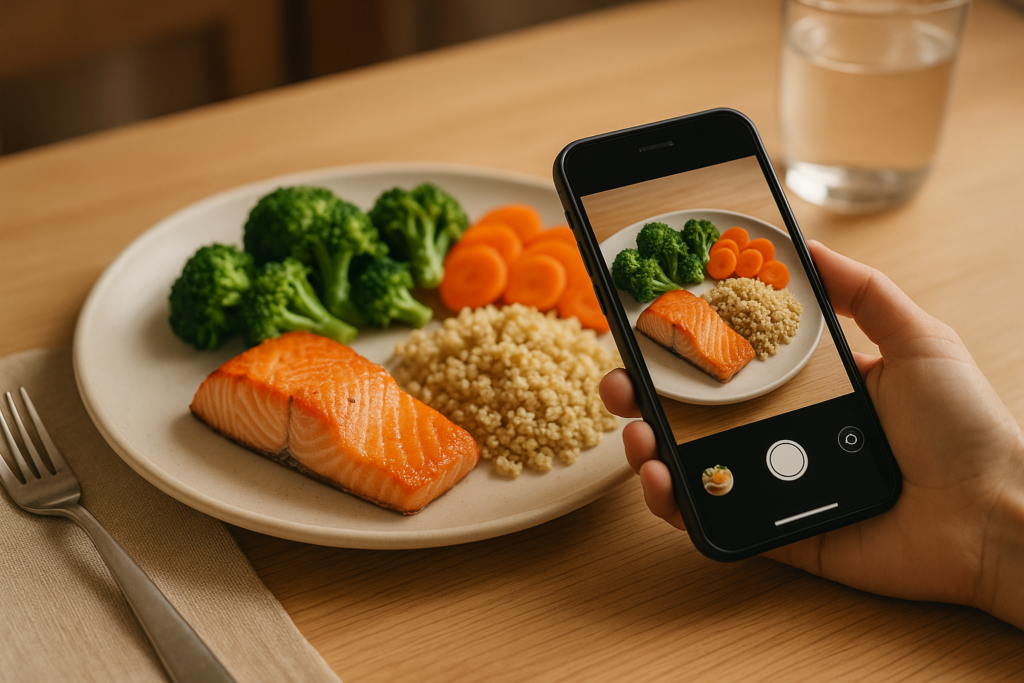
At their core, these applications use computer vision and natural language processing. You take a photo of a menu or a dish, or you input the dish’s name. The AI then cross-references this data against vast, continually updated food databases and uses pattern recognition to provide an educated estimate. Advanced systems can even break down composite dishes. For instance, it can identify that a “Cobb salad” likely includes bacon, egg, avocado, and blue cheese dressing, providing a more accurate tally than a single generic entry.
The most sophisticated tools go beyond simple calorie counts. They can provide detailed macronutrient breakdowns—grams of protein, carbs, and fats—as well as highlight potential allergens or flag high sodium content. This turns a simple number into actionable intelligence. Knowing a burrito bowl has 45 grams of protein versus 20 grams helps a fitness enthusiast make a better choice than just seeing a 700-calorie label. This is where an AI calorie checker becomes indispensable, transforming a static menu into an interactive nutritional guide.
The Advantage Over Traditional Methods
Previous methods for estimating meal calories are fraught with inaccuracy. Mental guesstimation is unreliable. Manually searching a generic nutrition database is time-consuming and often mismatched to the actual dish in front of you. Printed nutrition guides, when they exist, are static, don’t account for customization, and are often consulted only after eating.
An AI tool integrates seamlessly into the ordering process. It provides immediate feedback, allowing for on-the-fly adjustments. “Should I get the dressing on the side?” “Would skipping the cheese make a significant difference?” The AI can model these scenarios instantly, empowering you to customize your order for your goals without the social friction of a lengthy interrogation of your server.
Practical Benefits for Everyday Diners
The value of this technology extends across various lifestyles. For the weight-conscious individual, it removes the anxiety of dining out. You can plan your indulgence or find a satisfying lower-calorie alternative without guesswork. This proactive approach fosters a healthier relationship with food, based on knowledge rather than restriction.
For athletes and bodybuilders, precise macronutrient tracking is critical. Hitting daily protein targets or managing carbohydrate intake requires precision. An AI tool that provides a reliable macro breakdown is a powerful asset for nutritional strategy. It enables you to fit restaurant meals into a strict dietary plan without compromising your goals. In fact, using a dedicated fast food macro calculator for quick-service meals can be particularly effective, as these menus are common yet surprisingly variable.
Families managing allergies or dietary restrictions, such as gluten-free or low-FODMAP diets, can also benefit. While not a replacement for direct communication with staff, an AI analyzer can quickly highlight dishes that typically contain allergens, serving as a first-pass filter and prompting more informed questions to ensure safety.
Integrating Technology into Mindful Eating
A common concern is that such tools could promote an unhealthy obsession with numbers. However, when used correctly, the effect is often the opposite. The principle of mindful eating is based on awareness and presence. By making the nutritional impact of your choices transparent, an AI calorie checker fosters greater awareness. You become more attuned to how different foods affect your satiety and energy levels.
This awareness naturally leads to more balanced decisions. You might choose to enjoy a richer entrée because you know you can balance it with a lighter side, or you may discover a vegetable-heavy dish is more satisfying than you anticipated. The tool provides the data; you remain in control of the choice. This partnership between technology and intention is the cornerstone of sustainable healthy living.
Choosing and Using an AI Nutrition Tool
Not all nutritional AI tools are created equal. Look for applications with transparent sourcing for their food databases and those that clearly state whether their outputs are estimates or verified data. The best tools will allow for a high degree of customization—adjusting for portion size, omitting ingredients, or swapping components. User experience is also key; the process should be fast and intuitive enough to use discreetly at a table.
To get the most value, use the tool as a planning aid. Check the menu online before you arrive to decide without pressure. When at the restaurant, use it to confirm your choice or to compare your shortlisted options. Remember, it’s a guide. Absolute precision is less important than the consistent, comparative insight it provides across all your dining decisions.
Frequently Asked Questions
How accurate are AI calorie checkers?
Accuracy varies by tool and the complexity of the dish. For standard, non-composite items (like a plain hamburger), estimates can be quite reliable. For complex, chef-prepared dishes with unique sauces, they provide a well-informed estimate based on similar dishes. They are best used for comparative decision-making (“Is item A likely lower in calories than item B?”) rather than absolute, laboratory-grade precision.
Can these tools accommodate dietary restrictions like gluten-free or vegan?
Many advanced tools can filter or flag ingredients based on common dietary patterns. They can identify dishes that typically contain animal products or gluten. However, they should not be solely relied upon for allergen avoidance. Always confirm directly with restaurant staff regarding cross-contamination and specific preparation methods, as the AI cannot access a kitchen’s specific practices.
Is it rude to use a phone to check calories while dining with others?
Discretion is key. The best practice is to research the menu beforehand. If you need to check something at the table, do so quickly and unobtrusively, much like you would check a text message. The goal is to make a confident decision without disrupting the social experience of the meal.
Do I need to pay for a good AI calorie checker?
Many effective tools offer robust free versions with core features like calorie estimation and basic macronutrient breakdowns. Premium subscriptions typically unlock advanced features like detailed micronutrient reports, trend analysis, and integration with other health apps. Start with a free version to see if the functionality meets your needs.
Can these tools help with home-cooked meals?
Yes. Many of the leading applications have extensive databases for individual ingredients and common homemade recipes. You can input or scan ingredients to build a recipe and calculate its total nutritional profile, which is invaluable for meal prep and consistent home cooking.
Conclusion
Navigating a menu without nutritional insight is like shopping without prices. You may end up with something you love, or you may experience sticker shock later—in this case, on the scale or in how you feel. An AI calorie checker provides the transparency needed to make choices that align with your health and wellness goals. It demystifies the dining experience, replacing uncertainty with actionable data.
This technology represents a significant step toward personalized nutrition in everyday life. As these tools become more sophisticated and integrated, the gap between intention and action will continue to close. The next time you’re presented with a menu, you have the opportunity to choose not just based on craving, but on informed clarity. That shift, from passive consumer to empowered decision-maker, is the true value of bringing AI to the table.