

Introduction to AS 733
When it comes to telecommunications and internet protocols, certain standards have become integral to ensuring smooth operations and connectivity. One such important standard is AS 733, which plays a crucial role in the world of networking and internet infrastructure. Whether you’re a network engineer, a telecommunications professional, or just someone curious about how internet protocols function, understanding AS 733 is essential. This article will dive deep into what AS 733 is, its key features, applications, and much more.
What is AS 733?
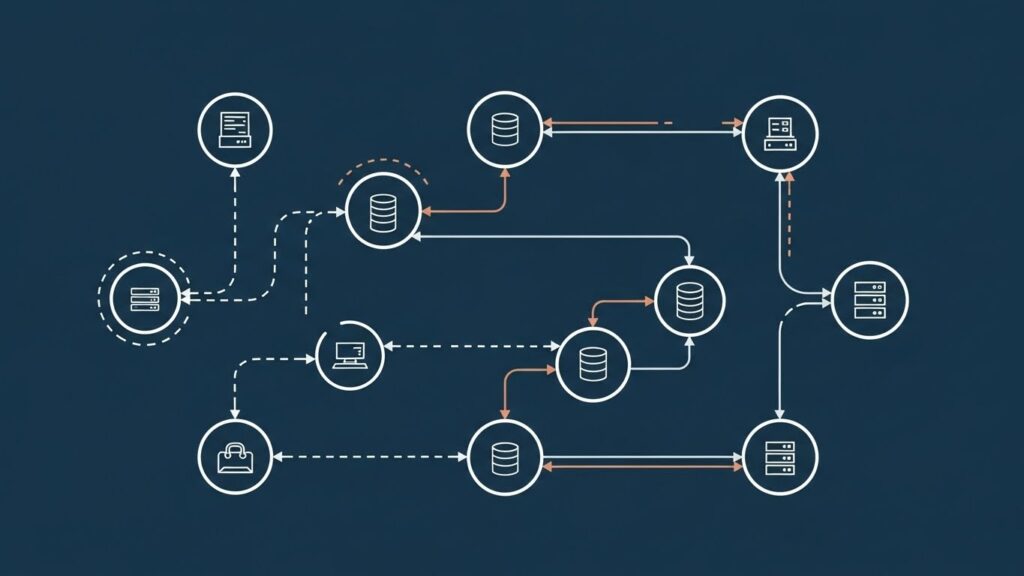
AS 733, also known as Autonomous System 733, is a designated Autonomous System (AS) number assigned to a specific network or group of networks that operates under a single administrative control. It is an identifier used in BGP (Border Gateway Protocol) to distinguish one network from another. The AS number is crucial in the routing of data between networks on the internet.
In simpler terms, AS 733 represents a specific network that communicates and exchanges data with other networks. It helps ensure that data packets find their correct path from one network to another, enabling smooth communication between different parts of the internet infrastructure.
The History and Background of AS 733
The Autonomous System (AS) number system was established to handle the rapid growth of the internet. As the number of networks increased, there needed to be a way to organize and direct the flow of data. AS numbers, like AS 733, were introduced to help manage the increasing complexity of global network communication.
Historically, AS 733 is often associated with certain organizations and networks. It has served as a crucial identifier for routing traffic efficiently across various networks. While many other AS numbers exist, AS 733 has been prominent in certain networking environments, and its role continues to be significant today.
Key Features of AS 733
-
Unique Identifier: Each Autonomous System, including AS 733, is assigned a unique AS number. This ensures that data routing can be accurately directed to the right network.
-
BGP Routing: AS 733 is involved in BGP (Border Gateway Protocol), which is used for exchanging routing information between different ASes, helping manage internet traffic efficiently.
-
Ownership and Control: An AS is typically owned by an organization or a group of networks that are operated under the same administrative control. AS 733 is no different, as it is part of a specific network with its own policies and rules for traffic management.
-
Scalability: AS numbers like AS 733 support scalable internet infrastructures, making it easier for organizations to expand their networks and manage large amounts of traffic.
These features make AS 733 an essential part of global internet connectivity.
How AS 733 Works
AS 733, like other Autonomous Systems, plays a crucial role in internet routing. Here’s a step-by-step explanation of how it works:
-
BGP Exchange: AS 733 uses the BGP protocol to exchange routing information with other Autonomous Systems. This helps ensure that data is routed across networks in the most efficient way.
-
Route Advertisement: AS 733 advertises its IP prefixes (addresses it controls) to other ASes. This enables other networks to know how to route traffic to that particular AS.
-
Path Selection: When data travels across the internet, AS 733 helps determine the best path for that data based on the BGP routing table.
-
Policy Control: The administrators of AS 733 can set policies for how their network interacts with others, including which routes to accept and which to reject. This level of control ensures optimal performance and security.
In this way, AS 733 contributes to the overall functionality of the internet’s routing ecosystem, ensuring data flows seamlessly from one point to another.
Applications of AS 733
AS 733 is used in various telecommunications and networking applications. Here are a few examples:
-
Internet Service Providers (ISPs): ISPs often rely on AS numbers, including AS 733, to organize and manage their network traffic. By identifying which routes to take for internet traffic, ISPs can offer stable and efficient services to their customers.
-
Enterprise Networks: Large corporations with multiple office locations might own an AS number to manage traffic between different branches. AS 733 can be used in such cases to ensure secure and efficient communication.
-
Content Delivery Networks (CDNs): CDNs use AS numbers to distribute content from servers to end users, ensuring fast delivery of web pages, videos, and other content across the globe.
AS 733 thus plays a pivotal role in the backbone of the internet infrastructure.
AS 733 in Telecommunications
In telecommunications, AS 733 serves as an essential component of network routing. It allows telecommunications companies to efficiently direct data across different networks, which is crucial for both public internet use and private network operations. With its BGP routing capabilities, AS 733 ensures that traffic flows seamlessly between various telecom entities, contributing to the overall reliability and speed of internet connections.
How AS 733 Affects Internet Protocols
AS 733, like other Autonomous Systems, plays an important role in the internet’s IP (Internet Protocol) landscape. It directly influences the routing of IP addresses by advertising IP prefixes and making sure that data packets are correctly routed to their intended destinations. The effective use of AS 733 ensures that IP packets find their way across networks without unnecessary delays, contributing to the overall performance of internet communication.
AS 733 vs. Other Standards
How does AS 733 compare to other Autonomous Systems? Here are some key differences:
-
Route Control: While each AS has its own set of routes for traffic, AS 733 might have specific policies that differ from those in other ASes.
-
Scale and Influence: Some AS numbers are more widely used in major internet backbone networks, while others, like AS 733, may be focused on specific regions or purposes.
-
BGP Policies: The BGP policies in AS 733 might be customized to suit the specific needs of the organization it serves, whereas other ASes may have more generalized rules.
These differences highlight the diversity of network management practices across the global internet infrastructure.
Challenges with AS 733 Implementation
Implementing and managing AS 733 comes with its own set of challenges:
-
Network Overload: Managing the routing information for a large AS can lead to network congestion and data routing inefficiencies.
-
Security Risks: Misconfigurations or vulnerabilities in BGP routing can expose the network to potential cyberattacks, including BGP hijacking.
-
Policy Conflicts: When AS 733 interacts with other ASes, there can be disagreements over routing policies, which might lead to routing loops or dropped packets.
Overcoming these challenges requires careful planning and robust security measures.
Benefits of Using AS 733
Using AS 733 offers several benefits:
-
Optimized Routing: AS 733 helps optimize data flow across networks, ensuring quicker and more reliable internet services.
-
Customizable Policies: Administrators can set routing policies tailored to their specific needs, enhancing control over network traffic.
-
Scalability: AS 733 provides scalability, allowing the network to expand without disrupting operations.
-
Traffic Isolation: By segmenting networks, AS 733 helps prevent unnecessary interference between networks, ensuring efficient communication.
These benefits make AS 733 an invaluable tool for organizations looking to improve their network infrastructure.
Security Implications of AS 733
Like any network component, AS 733 has security implications. Since it deals with routing information across the internet, it’s important to secure the BGP configuration to prevent route hijacking or traffic interception. DDoS attacks on BGP routers can also affect the AS 733 network, potentially disrupting services.
To mitigate these risks, network administrators must implement secure BGP configurations and regularly monitor routing activities.
The Future of AS 733
As the internet continues to evolve, AS 733 and other AS numbers will play an even more significant role in managing traffic flow and ensuring reliable communication. With increasing internet traffic, the need for better routing systems and network optimizations will rise. Additionally, advancements in automation and AI-driven network management could make networks like AS 733 even more efficient.
How to Implement AS 733 in Your Network
To implement AS 733 or any AS number, follow these basic steps:
-
Obtain an AS Number: Contact your Internet Registry to acquire an AS number.
-
Set Up BGP: Implement BGP routing on your network routers to advertise and receive routes.
-
Configure Policies: Set up routing policies tailored to your network needs.
-
Monitor and Maintain: Continuously monitor your network for any security vulnerabilities or routing issues.
Conclusion
AS 733 plays a crucial role in the management and routing of data across the internet. It is an integral part of the telecommunications infrastructure and a powerful tool for organizations looking to optimize their networks. By understanding how AS 733 works, its benefits, and its challenges, you can leverage it to create a more efficient and secure network.
FAQs
-
What is an Autonomous System (AS)?
An Autonomous System (AS) is a collection of IP networks and routers under the control of a single organization that presents a common routing policy to the internet. -
How is AS 733 different from other AS numbers?
AS 733 is an Autonomous System with its own specific routing policies and network management techniques that distinguish it from other ASes. -
How does BGP work with AS 733?
BGP (Border Gateway Protocol) is used by AS 733 to exchange routing information with other ASes, ensuring that data packets are efficiently routed across the internet. -
What are the security concerns with AS 733?
Security risks include BGP hijacking and DDoS attacks on routing infrastructure. Ensuring secure configurations and regular monitoring can mitigate these risks. -
Can AS 733 be implemented by anyone?
To implement AS 733 or any AS number, you must acquire it from an Internet Registry and set up BGP routing on your network routers.